
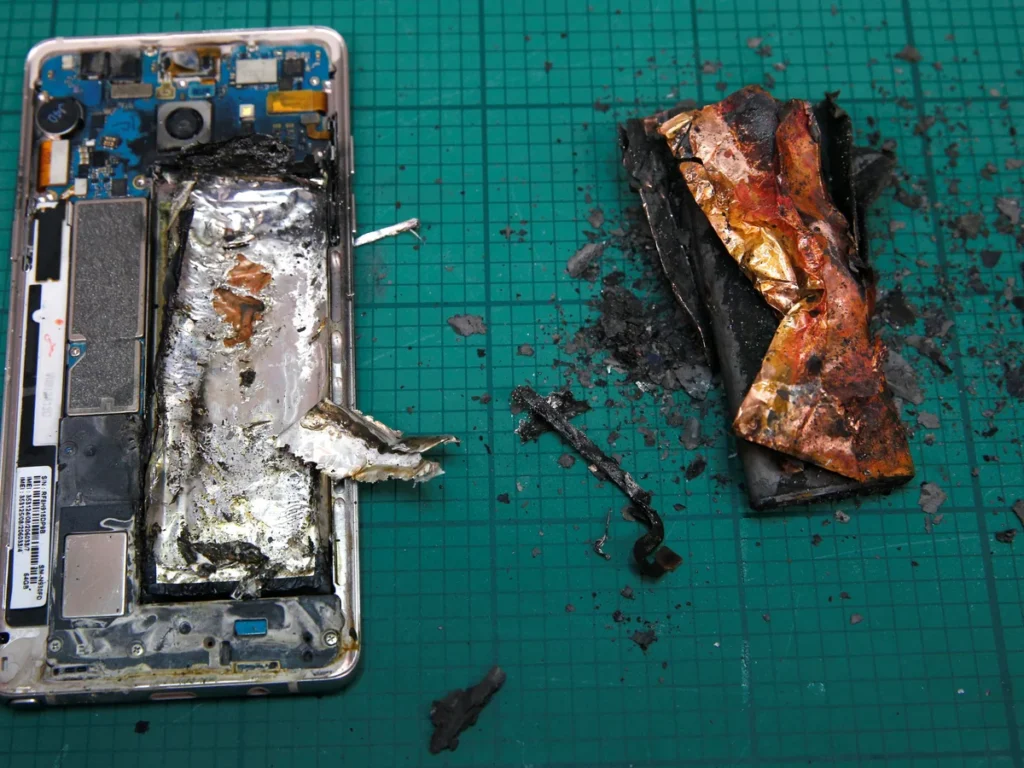
When a physical consumer product, medical device, automotive assembly, or packaged food line is compromised, the enterprise faces an immediate operational paradox. The instinct of corporate legal counsel is often to limit exposure, restrict public commentary, and isolate liability. Conversely, the market demands total transparency, immediate operational accountability, and frictionless consumer restitution.
Mismanaging a product recall is rarely a story of technical failure; it is a story of communication latency and systemic defensiveness. As Peloton demonstrated during its initial 2021 Tread recall delay and contrastingly, as Johnson & Johnson established in its foundational response protocols, the financial and reputational cost of resisting a recall exponentially exceeds the cost of executing one flawlessly.
This blueprint details the strategic architecture required to coordinate multi-agency regulatory filings, execute frictionless multi-channel notifications, rebuild customer trust through logistics operationalization, and re-introduce compromised product lines to the market.
Product Recall Crisis Lifecycle Pipeline
| Phase I The Recall Trigger | Phase II Multi-Channel Notification | Phase III Customer Logistics & Compensation | Phase IV Root Cause & Line Re-Activation |
|---|---|---|---|
| Simultaneous regulatory, distributor, & public alignment | Omnichannel dark-sites, push alerts & point-of-sale isolation | Frictionless return portal, direct refund/repair deployment | Audit publication, updated safety certs & brand re-launch |
I. The Recall Trigger: Triangulating Regulators, Distributors, and the Public
The most critical operational failure in early-stage recall communications is information asymmetry. When a safety hazard or manufacturing defect crosses the threshold of a mandatory or voluntary recall, the enterprise enters a high-stakes operational sprint. Issuing a public press release before alerting retail distributors leaves front-line retail workers uninformed and unable to process returns or answer customer queries; conversely, notifying regulatory agencies without a pre-built, scalable customer response channel creates an immediate operational bottleneck that swamps call centers and metastasizes into a second-order PR disaster.
To prevent systemic narrative collapse, crisis communications must execute a synchronized, three-pronged notification strategy within the first four hours of recall determination:
Incident Core Team & Crisis Stakeholder Pipeline
Incident Core Team
(Legal, CISO, PR, IR)
Regulators
(CPSC, FDA, NHTSA & EU Safety Gate)
Distributors
(Retailers, B2B, Supply Logistics)
Consumers
(Direct Buyers, Public & Media)
- Regulatory Alignment: Statutory notifications such as CPSC Fast Track reporting, FDA Class I/II/III classification filings, or NHTSA safety defect submissions must be filed in strict lockstep with public messaging. Discrepancies between technical language in regulatory filings and consumer-facing press releases invite immediate regulatory penalties, class-action litigation scrutiny, and media accusations of downplaying the hazard.
- Distributor & Retail Containment: Distribution networks, wholesale partners, and retail store management must receive automated, high-priority halt-sale directives and point-of-sale (POS) lockouts before the news cycle hits. Front-line staff require instant access to standardized customer Q&A scripts, clear inventory quarantine protocols, and return processing instructions to prevent compromised stock from being sold or improperly handled.
- Public & Media Readiness: Before the official recall notice goes live, the crisis infrastructure including dedicated micro-sites (
recall.brand.com), serial/lot-number lookup tools, and scaled customer intake channels must be fully tested and operational. Direct-to-consumer alerts must deploy concurrently across press wires, official corporate channels, and targeted customer CRM databases to ensure the brand remains the single source of truth throughout the incident.
2. Operational Execution Directives
Translating strategic intent into flawless crisis execution requires absolute alignment between legal filings, supply chain operations, and public messaging. The following three operational directives form the non-negotiable core of the initial recall deployment:
Synchronize Regulatory Filings with Holding Statements Word-for-Word – Regulatory authorities (e.g., CPSC, FDA, NHTSA, or the EU Safety Gate) scrutinize public statements to ensure they align precisely with statutory filings. Discrepancies between technical hazard descriptions submitted to regulators and language used in public press releases create severe legal and reputational exposure. If an FDA filing classifies a defect as a “Class I recall presenting a risk of severe adverse health consequences or death,” framing the public narrative around a “minor inconsistency” creates immediate exposure in class-action litigation and invites regulatory enforcement. Ensure the hazard scope, affected lot numbers, and potential risks match across all legal disclosures, consumer notices, and investor updates verbatim.
Issue Distributor Inventory Lock Orders Prior to Public Disclosure – Publicly announcing a product recall before securing supply chain inventory creates a critical liability window. Transmit automated Electronic Data Interchange (EDI) halt-sale directives, register-level point-of-sale (POS) barcode locks, and warehouse quarantine orders across all distribution networks before distributing press releases or issuing media advisories. Locking POS systems at retail partners ensures that even if a consumer attempts to purchase a compromised item currently sitting on a store shelf during the initial news cycle, the register blocks the transaction instantly. This halts further market exposure, prevents additional hazardous units from entering consumer hands, and proves to regulators that physical containment was active prior to public announcement.
Establish an Unambiguous Official Risk Baseline – The initial public notice establishes the legal and operational baseline for the entire incident. Enterprise leadership often faces internal pressure to soft-pedal messaging using corporate boilerplate such as “out of an abundance of caution” or “an isolated batch anomaly.” If regulatory agencies or forensic audits have confirmed an active physical, chemical, or electrical hazard, minimizing language severely undermines the brand’s legal defensibility if subsequent injuries or property damage occur. Ambiguity signals to the public, plaintiffs’ counsel, and regulators that the organization is prioritizing public relations management over consumer safety. State the defect, the specific harm it can cause, and the direct corrective action required clearly and authoritatively from minute one.
II. Multi-Channel Notification Systems: Omnichannel Hazard Isolation
A modern product recall cannot rely on a quiet press release posted on an obscure investor relations page. Regulatory bodies and civil litigation plaintiffs increasingly evaluate a brand’s notification efficacy the percentage of affected units successfully identified, quarantined, or returned.
Omnichannel Notification Architecture
| Touchpoint | Primary Mechanism | Execution Protocol |
|---|---|---|
| Direct-to-Consumer Direct Digital Outreach | CRM Push / Email / App In-App Alert Notifications | Segmented by registered serial/batch numbers. |
| Retail Channel Point-of-Sale (In-Store & Web) | B2B Retailer Digital Displays & Product Micro-banners | Register receipt notices, homepage crisis banners. |
| Mass Media Public Media & Search | Wire Services, Paid Social In-Feed Safety Alerts | Targeted geo-fenced ads matching distribution maps. |
Strategic Communications Directives
When a product recall hits the public domain, your digital infrastructure becomes the immediate frontline of consumer anxiety and media scrutiny. Relying on standard corporate web pages or generic social media posts often leads to technical crashes, viral misinformation, and overwhelming friction for impacted customers. To maintain absolute control over the narrative and ensure seamless operational execution, corporate communications teams must deploy a specialized digital containment strategy across web infrastructure, customer self-service tools, and search engine visibility.
Here are the key strategic directives for operationalizing your multi-channel digital response:
- Deploy a Dedicated Crisis Micro-Site (
recall.brand.com): Create an isolated, lightweight, un-cached web portal capable of handling high-traffic spikes without crashing primary e-commerce infrastructure. - Implement Interactive Serial Number / Lot Code Lookups: Allow consumers to input their product serial number, UPC, or manufacturing date code to receive an immediate binary response: AFFECTED or NOT AFFECTED.
- Deploy Paid Crisis Search Strategy: Purchase brand and product search keywords (e.g., “[Brand Name] [Product Model] safety recall”) to ensure search engines route affected consumers directly to the official resolution portal rather than speculative media coverage.
III. Customer Support & Compensation Logistics: Frictionless Resolution
The reputational damage of a product recall is rarely dictated by the initial engineering or manufacturing defect alone; it is exponentially amplified when affected consumers encounter long call-center hold times, convoluted claim forms, delayed refunds, or bureaucratic deflection. Every barrier introduced into the return or repair process compounds public frustration and transforms a manageable product issue into a permanent brand exodus. In a crisis environment, resolution friction is the primary driver of customer churn, regulatory complaints, and class-action escalation.
To preserve customer lifetime value and demonstrate authentic accountability, the enterprise must treat compensation logistics not as a back-office administrative task, but as a core pillar of crisis communications and brand recovery.
Frictionless Resolution Workflow
| Operational Bottleneck | Strategic Counter-Measure |
|---|---|
| Overwhelmed Call Centers | Deploy AI-assisted voice bots and automated web-return intake portals. |
| Return Shipping Friction | Issue pre-paid QR-code digital return labels (no printer required). |
| Consumer Illiquidity / Delay | Issue instant digital refunds or store credit upon carrier first-scan. |
Execution Protocol for Logistics Communications
- Provide Immediate, Unambiguous Resolution Options – Eliminate complex conditional qualifiers, restrictive store-credit-only policies, or multi-step verification hoops. Present customers with a clear, immediate choice of remedies on the resolution portal:
- Immediate full cash refund via the original payment method or instant digital transfer.
- Free replacement unit featuring documented, third-party safety verification and expedited shipping.
- In-home repair or white-glove technician deployment scheduled at the customer’s convenience for larger appliances or complex hardware.
- Over-Index on Customer Support Capacity within the First 12 Hours – Recall announcements trigger immediate, concentrated spikes in consumer inquiries that quickly overwhelm standard customer service queues. Scale intake infrastructure by 5x to 10x instantly by deploying specialized BPO crisis support partners, expanding AI-assisted self-service channels, and routing routine inquiries away from live agents so high-urgency cases can be resolved without delay.
- Pre-Script Frontline Support with Empathetic, Non-Defensive Directives – Frontline agents serve as the primary human touchpoint for customer frustration. Equip all chat, phone, and social media support teams with standardized, highly empathetic, and non-defensive scripts. Agents must be explicitly instructed never to debate hazard severity, minimize reported incidents, or attempt to divert customers away from claiming their full statutory remedies.
IV. Root Cause Analysis Publication: Demonstrating Forensic Accountability
Once immediate physical hazards are contained and recall logistics are operationalized, stakeholder scrutiny shifts rapidly from containment to accountability. Media outlets, institutional investors, regulatory bodies, and plaintiffs’ counsel will relentlessly interrogate why the failure occurred, who allowed it to bypass quality controls, and whether systemic negligence was involved.
Attempting to hide behind vague assertions of “proprietary manufacturing secrets” or “ongoing internal reviews” during a high-profile investigation creates an information vacuum. In crisis communications, an information vacuum is inevitably filled by hostile media speculation, expert whistleblowers, and shareholder derivative lawsuits. Publishing a transparent, forensically sound Root Cause Analysis (RCA) transforms an enterprise failure from an open liability into a closed engineering case study, demonstrating that the organization possesses the technical maturity and governance capacity to diagnose, fix, and permanently prevent the issue.
Root Cause Transparency Framework
| Investigation Phase | Public Disclosure Focus | Target Audience |
|---|---|---|
| Days 1–7 Preliminary Audit | Scope identification & initial containment validation | Regulators Media General Public |
| Days 8–30 Forensic Analysis | Component failure identification & supplier auditing updates | Technical Industry Class Action Counsel |
| Post-Investigation Final Report | Engineering fix, process overhaul, & structural audit | Board Institutional Investors Market |
Strategic Guidelines for Publishing Investigation Findings
- Own Supply Chain Oversight Without Deflection – If forensic analysis reveals that a physical defect or software vulnerability originated from a Tier-2 or Tier-3 component vendor, sub-contractor, or raw material supplier, resist the temptation to shift public blame down the supply chain. Customers purchase the name printed on the chassis, not the invoice of an anonymous component vendor. Blaming external suppliers signals a lack of quality control and operational negligence. State clearly that while the failure occurred within a vendor’s sub-assembly, the brand takes total ownership of its procurement governance, supplier auditing, and incoming quality assurance (IQA) failures.
- Publish a Dual-Track Executive Engineering Summary – Forensic investigations generate dense metallurgical, chemical, electrical, or software codebase audits that are incomprehensible to general consumers and journalists. To bridge this gap without diluting technical accuracy, issue a dual-track report:
- A plain-language Executive Summary featuring clear infographics, 3D renderings, or schematics illustrating the exact point of failure for mainstream media, retail customers, and investors.
- An unredacted Technical Appendix detailing stress-testing data, metallurgical scans, or software logs for regulatory engineers, industry analysts, and technical trade publications.
- Detail Structural Process Controls & Governance Overhauls – Diagnosing the root cause is only half the narrative requirement; the public demands proof of systemic remediation. Conclude your RCA publication by detailing the explicit engineering, mechanical, or software testing changes implemented to ensure the failure mode is permanently eliminated. Specify concrete operational upgrades such as deploying automated X-ray inspection lines, doubling thermal endurance testing durations, implementing zero-trust code reviews, or mandating independent third-party batch testing prior to warehouse release.
V. Restoring Product Line Trust: Re-Launching the Brand
Re-introducing a product line following a major safety recall is not a standard product marketing campaign—it is an exercise in risk neutralization and systemic trust rebuilding. Bringing a compromised product back to market requires shifting consumer and retail perception from lingering skepticism toward supreme confidence in your engineering and quality assurance.
If a re-launch is treated merely as a routine commercial push, consumers will view the effort as a cynical cash grab that ignores past failures. To succeed, the organization must pair transparent engineering upgrades with undeniable third-party validation, clear physical differentiation, and long-term financial guarantees.
Product Line Re-Launch Roadmap
| Trust Pillar | Operational Requirement | Marketing Message |
|---|---|---|
| Verification Third-Party Validation | Obtain independent safety lab certification (e.g., UL). | |
| Branding Physical / Visual Differentiation | Redesign packaging or product coloring to indicate new batch. | |
| Assurance Extended Warranty & Guarantee | Double standard warranty on re-launched product lines. |
Trust Rebuilding Milestones
- Leverage Independent Quality Audits and Third-Party Seals – Internal promises of “enhanced quality control” carry zero credibility following a public recall. To rebuild consumer and retail confidence, pass full operational oversight of your re-engineered design to globally recognized, independent testing, inspection, and certification bodies (such as UL Solutions, TÜV Rheinland, Intertek, or SGS). Feature these third-party safety seals prominently across all re-launch collateral, digital detail pages, and retail displays to serve as an objective stamp of approval.
- Visually and Physically Differentiate Re-Engineered Stock – Eliminate consumer confusion at the store shelf or online checkout by making post-recall inventory visually distinct from legacy units. Modify outer packaging colors, apply high-visibility “Certified Safe / Gen-2” badges, update batch numbering schemes, or introduce subtle physical product design changes (such as new colorways or updated serial tags). This clear visual separation empowers retail associates, inspectors, and end-consumers to instantly identify compliant, post-recall stock without second-guessing.
- Deploy “Safety First” Educational Marketing Campaigns – Shift corporate marketing investments away from standard lifestyle branding toward transparent educational messaging. Develop transparent video walk-throughs, interactive engineering breakdowns, and behind-the-scenes laboratory testing footage that clearly demonstrate how the original defect was diagnosed, engineered out, and stress-tested beyond standard industry thresholds.
- Anchor Re-Introductions with Extended Guarantees and Risk-Free Trials – Put corporate capital behind your engineering claims. Back re-introduced product lines with extended warranties (e.g., doubling standard coverage from 1 to 2+ years) or multi-month, risk-free money-back guarantees. Offering strong, long-term consumer warranties signals to financial markets and buyers alike that leadership holds absolute confidence in the safety, durability, and performance of the updated design.
Real-World Case Study: Samsung Galaxy Note 7 Battery Recall (2016)
The Incident
In late August 2016, shortly after the highly praised launch of the flagship Galaxy Note 7, reports surfaced globally that devices were overheating, melting, and catching fire during routine charging. Within weeks, viral videos of charred devices dominated international media, culminating in the FAA and global aviation authorities banning the Note 7 from all commercial flights. What began as an isolated hardware defect rapidly escalated into a multi-agency regulatory crisis, an emergency product ban, and a multi-billion-dollar hit to Samsung’s financial standing and brand equity.
Samsung Galaxy Note 7 Recall Analysis
| Analysis Dimension | Strategic Event & Operational Impact |
|---|---|
| Critical Failure Initial Misstep | Premature replacement release without proper root-cause identification (replacement phones caught fire). |
| Resolution Total Recall & Stop | Discontinued Note 7 globally; incurred $5.3B+ financial loss. |
| Restoration Recovery Communications | Full-page global newspaper ads, public 8-Point Battery Safety Check transparency campaign. |
Strategic Communications Analysis
A. The Initial Failure: The Traumatic “Double-Recall”
Samsung‘s most severe operational mistake was not the initial battery flaw, but its rushed, premature diagnosis. Facing intense commercial pressure to save the holiday sales cycle, Samsung issued an immediate voluntary recall and replacement program in early September 2016, placing the blame entirely on battery cells manufactured by its subsidiary, Samsung SDI.
Samsung shipped “safe” replacement Note 7 units powered by its secondary supplier, Amperex Technology Limited (ATL), before forensic engineering teams had fully isolated the failure mechanisms. Within days, the replacement units supposedly certified safe also began catching fire in consumers’ hands. This “double-recall” obliterated public trust, destroyed the brand’s technical credibility, and forced Samsung to issue a complete, permanent global cancellation of the flagship Note 7 line, taking an estimated $5.3 billion operating loss.
The Core Blueprint Lesson: Never launch a product replacement program, issue definitive public attributions, or claim a hazard is contained until forensic root-cause analysis is 100% verified by independent technical investigators. A failed replacement program turns a manageable recall into a catastrophic loss of brand integrity.
B. The Masterclass Recovery Strategy: Rebuilding Trust Through radical Transparency
Recognizing that its long-term brand equity was on the line, Samsung shifted from corporate panic to executing one of the most disciplined, transparent crisis recovery campaigns in corporate history:
- Unconditional Corporate Accountability: Samsung ceased all legalistic deflection. Executive leadership published full-page, open-letter advertisements in major global newspapers (including The Wall Street Journal, The New York Times, and The Washington Post), accepting total ownership of the defect, apologizing unconditionally to consumers, and promising an exhaustive investigation.
- Total Forensic Transparency: Instead of burying the investigation results, Samsung hosted a live-streamed, open global press conference in January 2017. Executive leadership and senior engineering partners stood alongside independent auditing firms (UL, Exponent, and TÜV Rheinland) to detail the exact technical findings. They revealed two distinct manufacturing defects:
- Battery A (Supplier 1): Defective casing design causing electrode deflection and internal short-circuiting.
- Battery B (Supplier 2): Manufacturing welding burrs piercing insulation tape and contacting negative electrodes.
- Institutionalizing an Industry Safety Standard: Samsung transformed an internal engineering disaster into an industry-leading quality assurance protocol by introducing the 8-Point Battery Safety Check. This rigorous testing regime—covering X-ray inspection, thermal endurance, charge/discharge stress testing, and total volatile organic compound testing—was integrated across all future manufacturing pipelines. By making this safety protocol public, Samsung turned its greatest vulnerability into a core marketing differentiator, laying the groundwork for the wildly successful, record-breaking launch of the Galaxy S8 just months later.
Executive Summary: The Duty of Preparedness
A product recall is the ultimate test of an organization’s operational integrity, legal resilience, and crisis communications infrastructure. When consumer safety is compromised, corporate hesitation, operational fragmentation, and legalistic deflection only accelerate brand erosion. In the modern hyper-connected news environment, stakeholders measure a company not by the absence of manufacturing flaws, but by the speed, empathy, and absolute precision with which it remedies them.
By establishing a pre-approved, triangulated response playbook, enterprises can navigate a safety crisis with authority, protect consumer welfare, and emerge with brand trust intact. Operational readiness requires aligning several core capabilities prior to any incident:
- Synchronized Stakeholder Notification: Omnichannel communications channels must simultaneously reach regulatory bodies, retail distributors, and the general public to eliminate dangerous information gaps.
- Frictionless Logistics Infrastructure: Return portals, rapid refund processing, and automated inventory locks eliminate consumer frustration and mitigate second-order reputational damage.
- Forensic Transparency: Plain-language root cause analysis publications demonstrate technical accountability and demonstrate that the organization has isolated the failure mode.
- Independent Safety Validation: Third-party auditing seals, updated product design markers, and extended consumer guarantees validate product re-introductions with verifiable proof.
Ultimately, enterprise preparedness transforms a potential existential crisis into a clear demonstration of operational maturity, customer devotion, and industry leadership.
Learn more about our services? click here
