Executive Summary
The global ocean economy represents a $2.4 trillion annual asset base, producing over 50% of the planet’s oxygen, absorbing nearly 30% of anthropogenic carbon emissions, and sustaining 3 billion people through coastal livelihoods, international maritime trade, and marine protein. Yet, despite being the world’s seventh-largest economy by GDP equivalent, the marine ecosystem remains under-capitalized, structurally under-governed, and exposed to severe geopolitical fragmentation.
Global Blue Economy Capital Landscape
Institutional Asset Base & Primary Operational Frictions
Sustainable Maritime Transport & Logistics
Primary InfrastructureFuel transition bottlenecks & intensive upfront CAPEX requirements.
Marine Nature-Based Solutions (NBS)
Ecosystem & Carbon AssetsMonetization pathways & high investor risk perception.
Sustainable Aquaculture & Marine Biotech
Bio-Economy & Food SecurityRegulatory governance & complex supply chain traceability.
For sovereign funds, institutional asset managers, multinational maritime enterprises, and multilateral developmental banks, the barrier to ocean investment has rarely been a lack of capital. The true friction lies in narrative, structural, and political architecture. Ocean assets have historically been mispriced as philanthropic costs rather than high-yield, resilient capital deployments.
To bridge the ocean funding gap and secure global market leadership, institutional capital deployers and ocean stakeholders require a sophisticated Blue Economy Narrative Architecture & Capital Attraction Strategy.
By re-framing marine ecosystems as high-yield natural capital, positioning sovereign narratives around major multilateral ocean summits, mobilizing strategic global advocates, building multi-stakeholder coalitions for Marine Protected Areas (MPA), and deploying transparent, science-backed impact reporting systems, global leaders can turn marine conservation and decarbonization into compelling, bankable asset classes.
Blue Economy Capital Attraction Architecture
Strategic Flow & Capital Convergence Model
De-Risking Blended Capital
Multilateral Sovereign Diplomacy
Institutional Nature Credits
Eminence Global Strategic Capital Attraction Framework
I. Framing Marine Capital Assets: Presenting Ocean Conservation and Sustainable Shipping as High-Yield Investment Options
The foundational error in ocean public affairs and capital allocation has historically been the reliance on a purely philanthropic or conservation-led framing. While ecological degradation is undeniable, institutional capital responds to risk-adjusted yields, structural resilience, and clear regulatory pathways. Elevating marine assets requires converting natural capital and decarbonization mandates into bankable, institutional-grade financial instruments.
The Capital Shift: Institutional allocators do not view marine systems through the lens of charitable giving. Winning narrative architectures reframe conservation as risk management and decarbonization as competitive market yield.
Blue Economy Capital Conversion Matrix
Paradigm Shift: Strategic Risk Center to Institutional Yield Asset
Coastal Mangroves & Seagrass Ecosystems
Environmental cost center, charitable conservation grant target.
High-yield coastal defense asset & blue carbon credit pipeline.
Commercial Maritime Fleet Decarbonization
High-pollution liability, regulatory compliance burden.
Low-emissions cargo premium & resilient sovereign trade lane.
Offshore Wind & Marine Energy Infrastructure
Capital-intensive spatial use conflict risk.
Sovereign energy independence & green hydrogen generation.
1. Structural Financialization of Marine Nature-Based Solutions (NBS)
To attract institutional capital at scale such as pension funds, sovereign wealth funds, and private equity firms, marine natural assets must be structured using recognized financial mechanisms.
Blue Carbon Credit Pipelines: Coastal wetlands, mangroves, and seagrass meadows sequester carbon at rates up to five times faster per hectare than terrestrial tropical forests. Strategic positioning must assist coastal sovereigns and asset owners in establishing rigorous, MRV-compliant (Measurement, Reporting, and Verification) blue carbon pipelines. Monetizing carbon sequestration alongside verified biodiversity co-benefits transforms conservation targets into yield-generating assets.
Parametric Coastal Resilience Insurance: Storm surges and coastal erosion present immediate balance-sheet risks to port infrastructure, coastal real estate, and municipal debt. By structuring parametric insurance policies underwritten by nature-based coastal buffers (such as coral reefs and mangrove barriers), capital allocators mitigate physical asset impairment while lowering debt financing costs across local infrastructure assets.
Blue Carbon Financing Flow
Sequential Capital Mobilization & Monetization Mechanism
Mangrove / Seagrass Restoration Project
Monetized Blue Carbon Credits
High-Yield Sovereign Green Bond Payout
2. Commercial Maritime Fleet Decarbonization as a Yield-Generation Strategy
The shipping industry accounts for nearly 3% of global greenhouse gas emissions. Tightening International Maritime Organization (IMO) carbon intensity targets and EU Emissions Trading System (EU ETS) expansions mean non-compliant fleets face stranding risks and punitive tariffs.
Green Shipping Corridors: Establish public-private partnerships across major global trade lanes (e.g., Asia-Europe, Transpacific) to build zero-emission fuel bunkering hubs (green hydrogen, e-methanol, green ammonia). Framing green corridors as strategic economic infrastructure attracts sovereign wealth investments, green bonds, and preferred long-term off-take agreements from multinational shippers willing to pay green freight premiums.
Poseidon Principles Integration: Institutional ship finance is increasingly bound by climate-alignment benchmarks. Structuring fleet modernization strategies that directly align with the Poseidon Principles ensures access to lower-cost debt financing, preferential insurance pricing, and enhanced enterprise valuation.
Maritime Decarbonization Capital Strategy
Alternative Fuel Retrofits
Dual-fuel methanol/ammonia vessel conversions
Secures preferred long-term charters
Green Shipping Corridors
Zero-emission corridors between major port authorities
Attracts sovereign co-investments
II. Positioning for Multilateral Ocean Conferences: Maximizing Impact at Events Like the Our Ocean Conference and UN Ocean Summit
Multilateral ocean summits are not merely diplomatic talking shops; they are high-value market venues where capital allocations, bilateral treaties, and regulatory norms are established. To stand out, sovereign delegations, corporate players, and institutional investors must execute a proactive positioning strategy before, during, and after these events.
Strategic Summit Execution Roadmap
Pre-Summit
(Months 1 to 6)
Focus on coalition building, pledge structuring, and pre-negotiating bilateral accords to secure prime executive panel slots.
Summit Execution
(Event Days)
Execute bilateral signings, formal announcements, and high-level media amplification to capture global headlines.
Post-Summit
(Months 7 to 12)
Implement tracking frameworks and governance reporting to convert public pledges into binding, capital-backed deals.
1. The Strategic Architecture of Multilateral Ocean Commitments
Attending major international forums without a pre-engineered, headline-ready commitment reduces organizational impact. Sovereign and enterprise leaders must use ocean conferences as catalysts for major strategic announcements. Here’s critical actions that you should adopt.
- Engineering High-Value Announcements: Leaders should arrive at forums like the UN Ocean Conference, Our Ocean Conference, or COP negotiations with fully structured initiatives. Examples include a $500 million Debt-for-Nature Swap, a multi-nation Marine Protected Area (MPA) network, or a zero-emission port infrastructure pipeline. Pledges must feature clear capital metrics, timeline milestones, and binding regulatory commitments.
- Bilateral Sovereign Diplomacy Off-Site: The most valuable ocean deals are negotiated outside plenary halls. Pre-booking private bilateral sessions with environment ministers, development banks, and institutional capital officers allows teams to finalize joint ventures before stepping onto the public stage.
Summit Positioning Architecture
Debt-for-Nature Swap Pledges
Blended Ocean Fund Launches
Binding High Seas Treaty Ratifying
High-Impact Summit Announcement
2. Multi-Channel Narrative Amplification and Digital Influence
To maximize reach and establish clear thought leadership around major summits, organizations need a coordinated digital, editorial, and public relations campaign across three vectors:
A. Tier-1 Financial Media: Publish targeted executive op-eds in outlets such as the Financial Times, Bloomberg, and The Wall Street Journal immediately preceding major summits. Articles should highlight realistic market opportunities, address governance bottlenecks, and position the firm as a primary architect of ocean finance solutions.
B. Institutional Policy Networks: Distribute technical policy briefs through organizations like the International Institute for Sustainable Development (IISD) and World Resources Institute (WRI) to directly shape sovereign legal frameworks.
C. Real-Time Digital Intelligence: Deploy real-time social listening, digital narrative tracking, and localized search optimization throughout event windows. Establishing dominant digital visibility around conference search queries positions the firm as the definitive advisor for ocean governance and capital strategy.
Ocean Summit Media Amplification Pipeline
Tier-1 Global Media
(FT, Bloomberg, WSJ)
Exclusive op-eds, live broadcast interviews
Drives high-level executive awareness
Institutional Policy Networks
(IISD, WRI)
Policy briefs, white paper distribution
Shapes sovereign legal frameworks
Digital Thought Leadership
Executive video series & dynamic data dashboards
Captures digital search intent and leads
III. Engaging Global Advocates & Ambassadors: Partnering with International Figures to Elevate Ocean Causes Globally
Ocean governance and capital deployment operate at the intersection of public policy, popular narrative, and institutional trust. Technical data alone rarely drives political action or unlocks large-scale private investment. Partnering with credible global advocates, ocean envoys, scientific leaders, and high-net-worth influencers, like how Oceana partnered with Kate Walsh the start of Grey Anatomy, builds the cultural consensus and political momentum required to execute complex marine projects.
Ambassador Alignment and Deployment Architecture
Partnering with public figures requires careful alignment to avoid reputation risks and accusations of greenwashing. Advocacy partnerships should be anchored in measurable scientific and capital commitments.
Ambassador Engagement Taxonomy
Former Heads of State /
High-Level UN Envoys
Regulatory access & political credibility
Sovereign negotiation & bilateral diplomacy
Renowned Marine
Scientists & Explorers
Scientific authority & baseline integrity
MRV validation & anti-greenwashing proof
Cultural Icons & High-Net-Worth Ocean Champions
Broad public reach & mainstream engagement
Grassroots support & investor campaign push
The Scientific-Diplomatic Dual Structure: Pair high-profile cultural ambassadors with leading marine scientists (e.g., oceanographers, marine biologists) on organizational advisory boards. The ambassador brings public reach and political access, while the scientific leader ensures all advocacy is grounded in peer-reviewed ecological data.
Metric-Driven Ambassador Mandates: Structure advocacy agreements around explicit, measurable outcomes such as securing 100,000 hectares of newly designated Marine Protected Areas, raising $50 million in catalytic ocean funding, or securing multilateral agreement on plastic pollution treaties.
Ambassador Alignment Pipeline
Targeted Selection Matching
Scientific Governance Boarding
Verifiable On-Ground Metrics
Institutional Credibility & Trust
2. Deployment Vectors for Sovereign and Capital Influence
Once engaged, ocean advocates should be deployed strategically across policy, investment, and public channels to drive tangible project outcomes.
Private Ministerial Roundtables: Organize closed-door executive sessions bringing together global ocean envoys, environment ministers, finance officials, and institutional asset managers. These sessions allow leaders to work through regulatory obstacles, build political trust, and finalize capital structures outside of public negotiations.
Global Citizen Campaigning: Deploy high-impact video assets, immersive ocean storytelling platforms, and digital campaigns featuring global ambassadors. Elevating public awareness builds the political backing required for national leaders to pass strict marine protection legislation.
Ambassador Advocacy Deployment Matrix
Sovereign Heads of Government
Private executive briefings & presidential roundtables
Unlocks statutory MPA designations
Institutional Asset Allocators
Private LP summits & sovereign fund keynotes
Accelerates capital deployment
IV. Marine Protected Area (MPA) Advocacy: Building Multi-Stakeholder Support for Sustainable Ocean Zone Designations
The global community has committed to protecting 30% of the world’s oceans by 2030 (the “30×30” initiative) under the Kunming-Montreal Global Biodiversity Framework. Expanding Marine Protected Areas (MPAs) from current levels requires navigating complex socio-economic, sovereign, and industrial interests. Designating highly protected ocean space requires managing trade-offs with commercial fishing fleets, offshore energy developers, seabed mining interests, and local coastal communities.
Stakeholder Conflict Resolution Matrix
Commercial Artisanal & Industrial Fisheries
Loss of immediate fishing grounds
Co-managed buffer zones & spillover yield
Coastal Communities & Indigenous Population
Top-down displacement & loss of local sovereignty
Direct revenue share & local guard roles
Energy & Mining Concession Holders
Restriction of seabed extraction rights
Spatial zoning & swapped concessions
1. Structuring Highly Effective, Multi-Use Spatial Zoning Models
Outright bans on ocean activities often face fierce local resistance and compliance failure. Modern MPA strategy relies on dynamic, multi-tier spatial zoning models that balance ecological conservation with sustainable commercial use.
A. No-Take Sanctuaries versus Sustainable Buffer Zones: High-impact models establish strict no-take core zones in ecologically sensitive areas like spawning reefs and mangrove nursery grounds. These core zones are surrounded by controlled buffer zones where low-impact, sustainable artisanal fishing and eco-tourism are permitted.
B. The “Spillover Effect” Economic Pitch: Demonstrating to local fishing associations that strict no-take core zones significantly boost surrounding fish stocks builds immediate alignment. The scientific spillover effect increases regional catch rates and average fish sizes in adjacent waters, converting local fishermen into active defenders of the protected area.
2. Innovative Ocean Financing: Debt-for-Nature Swaps and Sovereign Blue Bonds
Sovereigns in developing coastal nations often lack the fiscal space to fund long-term marine protection and enforcement. Debt-for-Nature Swaps offer a proven model to refinance sovereign debt into dedicated conservation funding.
A. Refinancing Expensive National Debt: An international development finance institution provides credit guarantees to repurchase expensive sovereign debt. The debt is converted into long-term sovereign blue bonds at lower interest rates.
B. Capitalizing Domestic Conservation Trusts: A substantial portion of the resulting interest savings is funneled directly into an independent local Conservation Trust Fund. This fund guarantees perpetual financing for MPA enforcement, satellite surveillance, ranger patrols, and local community development.
V. Impact Reporting for Ocean Initiatives: Publishing Transparent Data on Marine Ecosystem Restoration Progress
The rise of global ESG mandates has been accompanied by regulatory scrutiny around greenwashing and impact misrepresentation. Institutional investors, sovereign wealth funds, and international donors require verifiable, auditable proof that ocean investments generate meaningful ecological restoration and socio-economic progress.
Advanced Ocean Metrology: From Satellite SAR to Environmental DNA (eDNA)
Relying on manual field sampling or self-reported data introduces audit vulnerabilities. Modern ocean reporting uses automated, multi-source environmental intelligence systems. System used:
A. Environmental DNA (eDNA) Biodiversity Profiling: eDNA sampling allows research teams to identify present marine species by analyzing genetic traces in small water samples. Comparing eDNA profiles over time provides objective, audit-ready proof of biological recovery across protected reefs and ocean zones.
B. Satellite Synthetic Aperture Radar (SAR) Monitoring: Dark vessel tracking using SAR radar imaging combined with automated AIS telemetry allows operators to detect illegal, unreported, and unregulated (IUU) fishing inside MPAs, even when vessels turn off their location transponders.
C. In-Situ IoT Ocean Sensors: Continuous data streams tracking water temperature, pH, and salinity provide real-time environmental monitoring that can be fed directly into risk models.

Standardized Reporting Frameworks: TNFD and GRI 13 Integration
To integrate ocean metrics cleanly into corporate annual reports and institutional investor disclosures, ocean projects should map results directly to recognized global ESG frameworks.
A. TNFD Alignment for Ocean Assets: Applying the Taskforce on Nature-related Financial Disclosures (TNFD) LEAP approach (Locate, Evaluate, Assess, Prepare) across marine asset portfolios maps direct dependencies and impacts on marine ecosystems. This allows institutional investors to price physical and transition risks accurately.
B. GRI 13 Standard Integration: Utilizing Global Reporting Initiative disclosures specific to marine harvesting, aquaculture, and agriculture provides verifiable tracking of stock health and regional ecosystem impact.
C. Blockchain-Verified Impact Dashboards: Open-access digital dashboards aggregate real-time ocean sensor data, eDNA baseline trends, and local economic development metrics. Storing verification hashes on decentralized ledgers creates an immutable audit trail for carbon offsets, blue bonds, and biodiversity credits.
VI. Strategic Case Studies: Excellence in Blue Economy Execution
Evaluating successful sovereign and institutional ocean campaigns reveals how integrated strategy, capital engineering, and strategic positioning unlock market access and global influence.
Global Blue Economy Case Comparison
Entity / Sovereign
Sovereign Island Nation (Seychelles Debt Swap)
Strategic Challenge
High national debt burdens combined with extreme vulnerability to ocean climate impacts
Execution Strategy
Refinanced sovereign debt via a $21M debt swap and issued the world’s first Sovereign Blue Bond ($15M)
Capital & Policy Result
Protected over 30% of exclusive economic zone (EEZ) and built a permanent ocean conservation endowment
Corporate / Institutional
Global Industrial Port Authority & Maritime Hub
Strategic Challenge
Impending EU ETS emissions charges and tightening IMO carbon intensity standards
Execution Strategy
Formed green corridor partnerships with major liner operators and invested in green hydrogen bunkering
Capital & Policy Result
Secured over $1B in green infrastructure funding, capturing market share in low-emission shipping
Sovereign Pioneer: The Seychelles Sovereign Blue Debt Swap and Bond
The Republic of Seychelles faced dual challenges: high national sovereign debt and increasing climate risks to its marine ecosystems.
Core Financial Innovation: The sovereign refinanced $21 million of high-cost sovereign debt through a debt-for-nature swap and issued the world’s first Sovereign Blue Bond, raising $15 million in concessionary capital from global impact investors backed by multilateral guarantees.
Strategic Execution & Outcome: The restructuring legally protected over 30 percent of the nation’s Exclusive Economic Zone (EEZ), spanning more than 400,000 square kilometers of ocean space.
Capital & Policy Result: The transaction capitalized a permanent local ocean conservation endowment fund (SeyCCAT), ensuring perpetual funding for local marine protection, sustainable fisheries management, and climate adaptation projects.
2. Commercial Decarbonization: Port Infrastructure and Green Shipping Corridors
A leading international port authority sought to insulate its maritime trade hub against impending EU carbon pricing and changing global trade routes.
Core Financial Innovation: Formed green corridor public-private partnerships with major container liner operators and global energy producers to build low-carbon fueling infrastructure.
Strategic Execution & Outcome: The port authority invested directly in green hydrogen and e-methanol bunkering assets, aligning its master plan with early-adopting commercial fleets.
Capital & Policy Result: Secured over $1 billion in green infrastructure co-investments, captured a dominant market share in low-emission cargo traffic, and shielded the port’s commercial revenues from incoming international carbon tariffs.
VII. Operational Execution Roadmap: Institutionalizing a Blue Economy Strategy
Executing an integrated Blue Economy Narrative Architecture and Capital Attraction Strategy requires moving beyond high-level policy declarations into rigorous operational implementation. For sovereign entities, multinational enterprises, and institutional investment funds, translating marine assets into bankable, institutional-grade opportunities demands a phased approach over a structured 12-month window.
This roadmap establishes the institutional discipline necessary to align ecological science, capital engineering, multilateral diplomacy, and real-time impact measurement.
12-Month Blue Economy Execution Roadmap
Baseline Audit
Financial Architect
Summit Diplomacy
Automated Reporting
12-Month Execution Roadmap
Phase I: Baseline and Asset Valuation
Months 1–3The opening quarter focuses on establishing ground truth across all marine natural capital assets and maritime exposure points. Institutional investors and sovereign treasuries cannot price risks or structure financial products without precise, baseline ecological and economic data.
Marine Natural Capital Audits
Conduct comprehensive ecological and financial baseline assessments across coastal and offshore waters. Teams must quantify the ecosystem services generated by local habitats, measure existing blue carbon sequestration rates in mangrove and seagrass systems, and map current economic yields from fisheries, maritime transit, and coastal tourism.
Risk and Regulatory Vulnerability Mapping
Audit maritime fleet carbon intensity profiles against tightening International Maritime Organization (IMO) targets and EU Emissions Trading System (EU ETS) mandates. Simultaneously, identify spatial usage conflicts among commercial fisheries, offshore energy developers, and local communities to establish clear boundaries for future zoning.
Phase II: Financial and Regulatory Architecture Design
Months 4–6With baseline data established, the second quarter transforms unpriced natural assets and compliance obligations into bankable financial structures and governance frameworks.
Capital Instrument Structuring
Design tailored financial vehicles designed to attract institutional capital. Depending on sovereign fiscal constraints and investor mandates, this involves structuring blended debt-for-nature swaps, issuing sovereign blue bonds with credit enhancements, or creating standardized private blue carbon off-take agreements.
Multi-Tier Spatial Zoning Frameworks
Draft multi-use spatial zoning plans that balance conservation mandates with commercial reality. Establish strict “no-take” core marine sanctuaries in high-biodiversity nursery grounds, bounded by sustainable commercial buffer zones that support low-impact artisanal fishing and eco-tourism.
Phase III: Multilateral Diplomacy and Summit Positioning
Months 7–9The third quarter builds international political momentum and market awareness by positioning the enterprise or sovereign delegation as a primary architect of global ocean solutions.
Ambassador Mobilization and Alliances
Secure high-level advocate partnerships, deliberately pairing diplomatic envoys and former heads of state with renowned marine scientists. This dual-structure ensures political access and public reach while anchoring every campaign in peer-reviewed scientific integrity.
Pre-Summit Campaign Execution
Execute a coordinated editorial and digital public relations push leading into major global gatherings such as the UN Ocean Conference, Our Ocean Conference, or COP negotiations. Placing executive op-eds in top-tier financial media and hosting pre-negotiated private ministerial roundtables ensures that public conference pledges are backed by pre-arranged capital commitments.
Phase IV: Automated Impact Measurement and Global Reporting
Months 10–12The final quarter establishes the technical monitoring infrastructure necessary to verify restoration progress, protect against greenwashing accusations, and maintain long-term investor trust.
Multi-Source Ocean Metrology Deployment
Roll out automated environmental intelligence systems across designated ocean zones. Deploy Synthetic Aperture Radar (SAR) combined with automated vessel telemetry to catch illegal fishing, install in-situ ocean sensor buoys for continuous water quality monitoring, and run routine waterborne environmental DNA (eDNA) sampling to track biodiversity recovery.
TNFD and GRI 13 Framework Integration
Feed real-time environmental metrics directly into transparent, open-access digital dashboards. Aligning these disclosures with the Taskforce on Nature-related Financial Disclosures (TNFD) LEAP framework and GRI 13 standards provides institutional asset allocators with verifiable, audit-ready data on risk mitigation and ecological yield.
Execution Outcomes across the 12-Month Cycle
| Operational Phase | Strategic Objective | Key Deliverable | Primary Stakeholders |
| Phase I: Baseline & Audit (Months 1-3) | Establish baseline natural capital asset values and risk profiles | Comprehensive Natural Capital & Fleet Emission Audit | Environment Ministries, Port Authorities, Asset Owners |
| Phase II: Architecture (Months 4-6) | Convert natural assets into bankable investment structures | Sovereign Blue Bond / Debt-Swap Term Sheet & Spatial Zoning Plan | Finance Ministries, Investment Banks, Legal Counsel |
| Phase III: Diplomacy (Months 7-9) | Capture market leadership and secure co-investment commitments | Pre-engineered Summit Pledges & Tier-1 Media Campaigns | Foreign Envoys, Global Ambassadors, Tier-1 Press |
| Phase IV: Reporting (Months 10-12) | Provide immutable, verifiable impact proof for institutional capital | Open-Access TNFD Dashboard & Automated eDNA/SAR Tracking | Institutional Investors, ESG Auditors, Local Communities |
Conclusion: View our Case Study with Oceana
The global blue economy has reached a critical strategic inflection point. Ocean conservation is no longer a peripheral philanthropic endeavor; it is a core financial, geopolitical, and sovereign imperative. Coastal nations that fail to protect their marine natural capital face rapid resource depletion, sovereign rating downgrades, and severe climate disruption. Concurrently, commercial maritime enterprises that delay decarbonization risk stranded assets, punitive tariffs, and market exclusion.
At Eminence Global Strategic Inc., we sit at the rare nexus of capital engineering, sovereign diplomacy, strategic communications, and narrative architecture. We do not simply pitch stories; we build the institutional narratives and public affairs strategies that convert complex ocean challenges into bankable, institutional-grade market opportunities.
Eminence Blue Economy Advisory Matrix
Capital Strategy & Bonds
Structuring blended blue bonds, debt-for-nature swaps, and natural capital valuation frameworks.
Sovereign Diplomacy & Summits
Mobilizing multilateral alliances, ocean envoys, and pre-summit commitments across global forums.
Public Affairs & Campaigns
Engineering strategic PR, financial media placement, and stakeholder campaign execution.
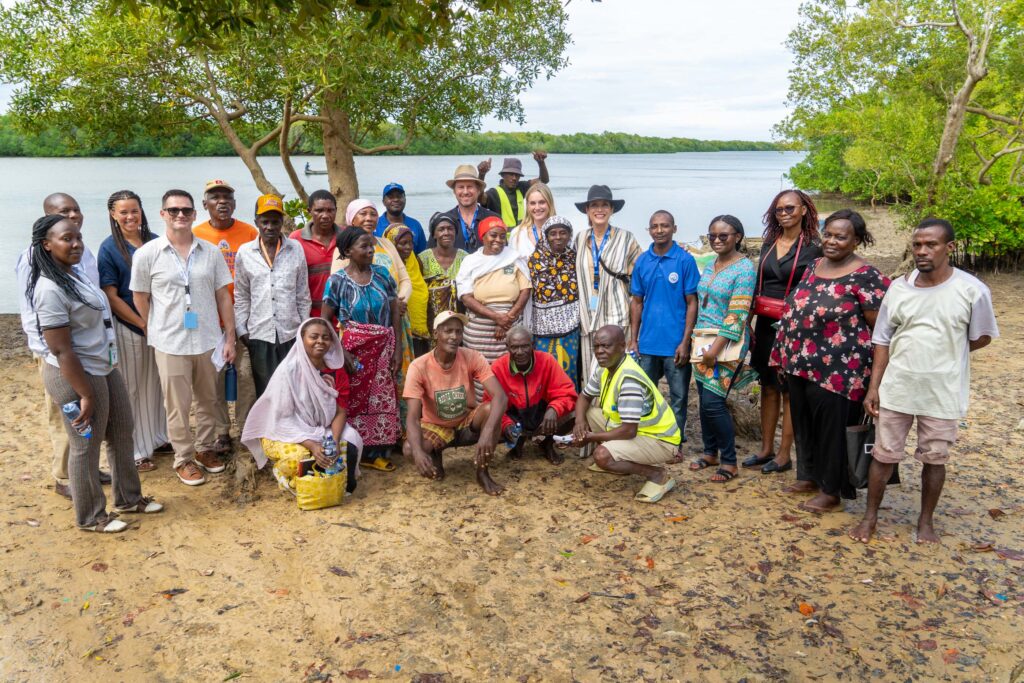
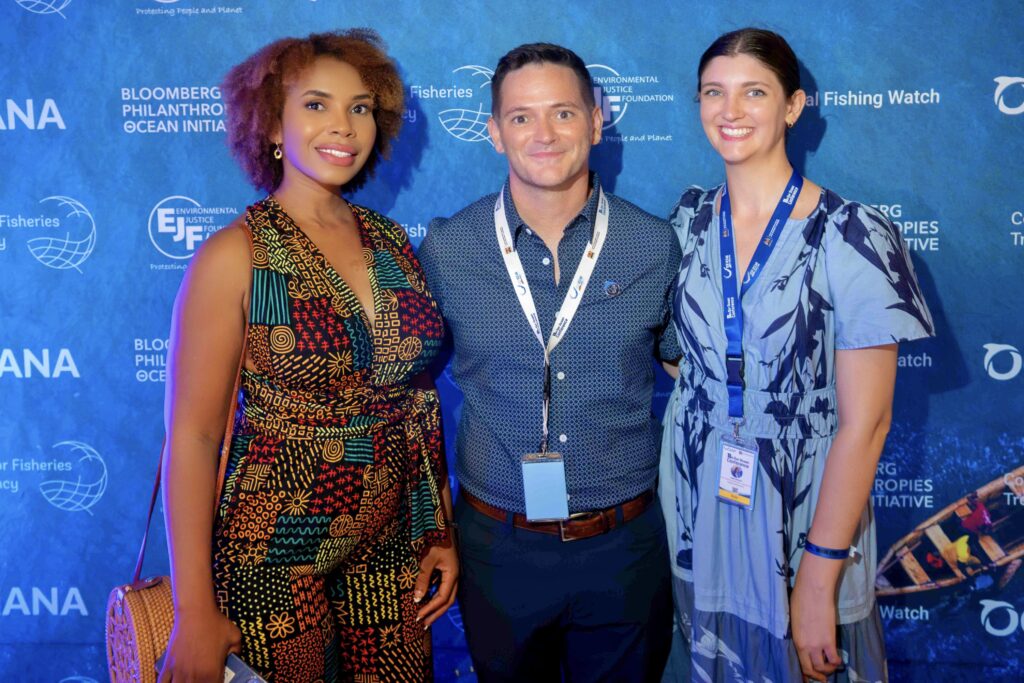
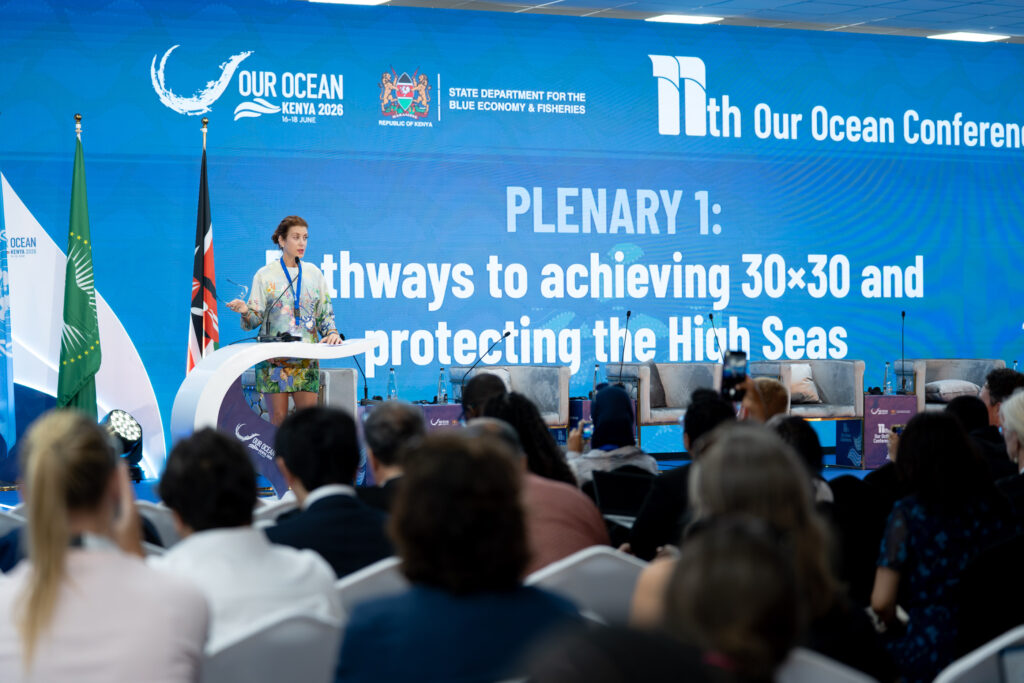
Proven Track Record in Sovereign Diplomacy: When international ocean conservation organization Oceana required strategic advisory for the 11th Our Ocean Conference (OOC11) in Mombasa, Kenya, the first time this summit was hosted on the African continent, they turned to Eminence. We delivered coordinated strategic positioning, bridging global environmental mandates with local sovereign priorities, elevating executive visibility, and securing narrative leadership across tier-1 international channels.
Eminence Strategic Advisory Capabilities
Capital Architecture
Structuring blue carbon pipelines, parametric insurance, and sovereign blue bonds.
Unlocks institutional capital from pension and sovereign wealth funds.
Sovereign Diplomacy
Activating embassy networks, trade envoys, and high-level summit positioning (e.g., OOC11 Mombasa).
Shapes international regulatory frameworks and secures bilateral treaty alignments.
Public Affairs & Narrative
Deploying tier-1 media campaigns, global ambassador alliances, and stakeholder campaigns.
Builds public legitimacy, insulates corporate brands, and defends against greenwashing claims.
Impact Measurement
Integrating automated eDNA, SAR satellite tracking, and TNFD/GRI 13 reporting dashboards.
Delivers immutable, audit-ready data proof to investors and global regulators.
By partnering with Eminence Global Strategic Inc., sovereign entities, global technology leaders, and institutional asset managers secure a battle-tested advisory team equipped to deliver narrative authority, diplomatic backing, and long-term capital leadership in the trillion-dollar global blue economy.